
Tempe Lawn Edging Services
Choose our expert lawn edging to give your yard a clean, professional look that enhances curb appeal and makes maintenance a breeze—experience the difference of precision and quality that lasts.
Get a Free QuoteOur Tempe Landscaping & Yard Care Services
When to Schedule Lawn Edging in Tempe, Arizona – Seasonal Guide
In Tempe, Arizona, the best times to schedule lawn edging are typically in early spring and late fall. These periods align with the region’s mild temperatures and reduced risk of extreme heat, making it easier to achieve crisp, clean edges without stressing your turf. Tempe’s unique climate—characterized by hot, dry summers and mild winters—means that timing your lawn care is crucial for maintaining healthy, attractive landscapes. Neighborhoods near Kiwanis Park or along the Salt River often experience microclimates, with varying shade coverage and soil types that can influence the ideal edging schedule.
Local environmental factors such as the last frost date (usually in late February), summer drought risk, and the prevalence of clay-heavy soils in areas like Maple-Ash all play a role in determining when to edge your lawn. Homeowners should also consider municipal watering restrictions and the impact of monsoon season, which can affect soil moisture and grass growth. For more information on local regulations and best practices, visit the City of Tempe’s official resource.
Local Factors to Consider for Lawn Edging in Tempe
- Tree density and shade coverage, especially in older neighborhoods like Broadmor
- Soil composition (clay vs. sandy soils)
- Seasonal precipitation and monsoon patterns
- Municipal watering restrictions and ordinances
- Terrain and slope, particularly near Papago Park
- Proximity to high-traffic areas or public walkways
Benefits of Lawn Edging in Tempe

Enhanced Curb Appeal
Weed Growth Prevention
Defined Landscape Borders
Reduced Lawn Maintenance
Improved Water Retention
Long-Lasting Results
Tempe Lawn Edging Types

Concrete Curb Edging
-
Brick Lawn Edging
-
Metal Landscape Edging
-
Plastic Lawn Edging
-
Natural Stone Edging
-
Wood Landscape Borders
-
Rubber Lawn Edging
Our Lawn Edging Process
Site Evaluation
Marking Edges
Cutting the Edge
Debris Removal
Final Inspection
Why Choose Tempe Landscape Services
-
Tempe Homeowners Trust Us
-
Expert Lawn Maintenance
-
Reliable Irrigation Solutions
-
Competitive Pricing
-
Professional Team
-
Satisfaction Guarantee
-
Personalized Service
Coordinating Lawn Edging Services with Tempe's Public Works and Engineering Divisions
Lawn edging in Tempe requires attention to the interface between turf areas and municipal infrastructure such as curbs, gutters, sidewalks, and drainage inlets. When edging work occurs along public rights-of-way or adjacent to city-maintained hardscape, property owners and service providers should be aware of how debris and soil displacement affect street drainage. Grass clippings, soil fragments, and organic matter dislodged during edging must not be swept or blown into curb inlets or storm drains, as Tempe's municipal separate storm sewer system (MS4) conveys untreated runoff directly to local waterways. The Tempe Public Works Department oversees street maintenance and curbside debris standards, and residents should verify current green waste collection procedures before placing edging debris at the curb.
- Collect all displaced turf, soil, and clippings from hardscape surfaces immediately after edging
- Avoid depositing organic material into gutters, curb inlets, or retention basin edges
- Confirm green waste bundling and container requirements through Public Works before disposal
Tempe Public Works Department
Official Website: Tempe Public Works Department
Properties adjacent to engineered drainage channels or flood-control infrastructure may require additional coordination. The Tempe Engineering Division manages civil engineering reviews for work that could affect grading, drainage flow, or utility corridors within the public right-of-way.
How Tempe's Low-Desert Heat and Alkaline Soils Affect Lawn Edging
Tempe sits within the Phoenix metropolitan low desert, classified in USDA Hardiness Zone 10a, where summer surface temperatures on concrete and asphalt regularly exceed 150°F. These conditions directly influence lawn edging practices in several ways:
- Bermudagrass lateral spread: Tempe's dominant warm-season turf, bermudagrass, produces aggressive stolons and rhizomes that rapidly encroach onto sidewalks, driveways, and decorative rock borders. Edging frequency must account for accelerated growth rates during the long warm season, typically March through October.
- Hardscape heat reflection: Concrete curbs, block walls, and pavement radiate stored heat into adjacent turf margins, causing desiccation along edges. Edging cuts in these zones expose root crowns to additional thermal stress if performed during peak afternoon temperatures.
- Alkaline, calcium-rich soils: According to the USDA Web Soil Survey, Tempe's predominant soils tend toward alkaline sandy loam and alluvial fill, often with caliche layers at shallow depth. These compacted subsurface conditions can deflect mechanical edger blades and cause uneven cut lines.
- Irrigation overspray: Flood-irrigated and sprinkler-fed turf areas commonly produce overspray onto sidewalks and curbs, promoting algae growth and mineral deposits along hardscape edges that complicate clean edging.
The University of Arizona Cooperative Extension provides region-specific guidance on bermudagrass management that informs appropriate edging intervals during active growth periods.
Tempe's Property Maintenance Codes and Stormwater Rules for Lawn Edging
Tempe enforces property maintenance standards through its code compliance program. Overgrown turf that encroaches onto public sidewalks, obscures curb lines, or creates tripping hazards along pedestrian pathways may result in a code violation. The Tempe Code Compliance Division handles neighborhood property maintenance enforcement, and residents should verify current standards for frontage appearance and sidewalk clearance.
- Turf encroachment onto public sidewalks or into street gutters may trigger a maintenance violation
- Edging debris washed into storm drains can constitute a stormwater discharge concern under Arizona DEQ Phase II MS4 requirements
- Mechanical edging equipment used near public rights-of-way should comply with any applicable city noise provisions; verify current limits through the Community Development Department
Tempe Code Compliance Division
Official Website: Tempe Code Compliance Division
Stormwater quality protection is a significant regulatory consideration. Under the Clean Water Act and Arizona's delegated MS4 program, landscape maintenance activities that introduce sediment, clippings, or chemical residues into the storm drain system are subject to compliance review. The Tempe Water Pretreatment and Pollution Prevention program monitors stormwater quality and can provide guidance on pollution prevention measures relevant to routine lawn maintenance.
Tempe Public Works - Water Pretreatment and Pollution Prevention
Official Website: Tempe Public Works - Water Pretreatment and Pollution Prevention
Timing and Methods for Lawn Edging in Tempe's Extended Growing Season
Professional lawn edging in Tempe's low-desert climate follows a schedule driven by bermudagrass growth cycles and extreme heat exposure. The Turfgrass Maintenance Guide for Low Elevation Arizona provides foundational guidance on turf management timing that applies directly to edging intervals.
- Active-season edging (March–October): Bermudagrass enters vigorous lateral growth by mid-March. Edging along curbs, walkways, and bed borders is typically performed every one to two weeks during this period to prevent stolon encroachment onto hardscape.
- Overseeded ryegrass period (October–March): Properties that overseed with perennial ryegrass require continued edging through winter, though at reduced frequency due to slower cool-season growth rates.
- Time-of-day scheduling: Edging should be performed during morning hours when surface temperatures are lower, reducing heat stress on exposed turf margins and minimizing blade dulling from thermally expanded concrete edges.
- Blade depth control: Mechanical edgers should cut to a depth of approximately 2–3 inches along hardscape borders to sever stolons without damaging irrigation lines or shallow utility conduits that are common in Tempe's residential subdivisions.
- Debris management: All displaced soil and clippings should be swept back onto turf areas or collected for green waste disposal, not left on sidewalks or blown into street gutters.
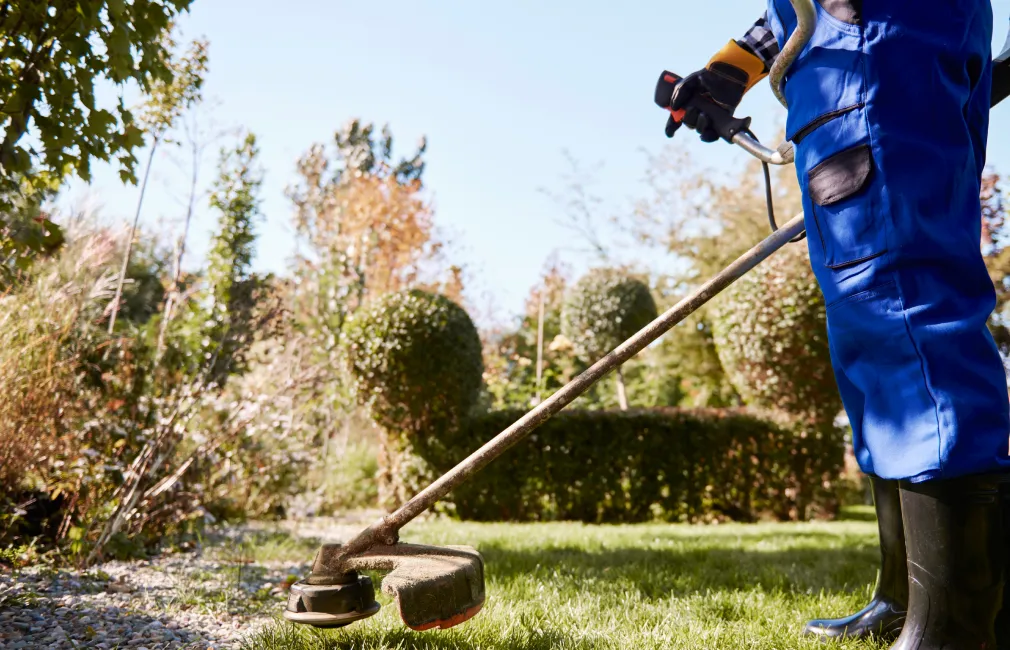
String trimmers used for vertical edging along walls and fence lines should be operated carefully to avoid scalping turf crowns, which can create bare patches vulnerable to weed invasion during monsoon season.
What Neighborhoods Do We Serve Throughout Tempe, AZ?
- Maple-Ash: This historic neighborhood near downtown features mature irrigated lots with established bermudagrass lawns bordered by older concrete sidewalks and curbing that require frequent edge maintenance due to root heaving and uneven hardscape surfaces.
- Optimist Park: Properties in this area commonly have mid-century lot configurations with narrow parkway strips between sidewalks and curbs, demanding precise edging to maintain clean turf-to-concrete transitions.
- Alameda: Larger residential lots with flood-irrigated turf are prevalent here, and aggressive bermudagrass spread into adjacent gravel and decorative rock borders necessitates regular mechanical edging.
- South Tempe (Kyrene Corridor): Newer subdivisions along the Kyrene corridor feature compact lots with significant hardscape-to-turf ratios, increasing reflected heat along edging zones and requiring careful timing to avoid thermal damage.
- Camelback Village: Properties near the Tempe canal system often have turf areas adjacent to public easements and drainage corridors, where edging debris management is critical to stormwater protection.
- Hudson Manor: This established neighborhood includes mature landscapes with bermudagrass lawns abutting block walls and driveways, where stolon encroachment into expansion joints and decorative borders is a persistent maintenance concern.