
Tempe Lawn Mowing Services
Choose our lawn mowing service for reliable, professional results that keep your yard looking its best all season long. Our experienced team uses top-quality equipment and attention to detail to ensure your lawn is healthy, beautiful, and the envy of the neighborhood.
Get a Free QuoteOur Tempe Landscaping & Yard Care Services
When to Schedule Lawn Mowing in Tempe, Arizona – Seasonal Guide
In Tempe, Arizona, the timing of your lawn mowing routine is crucial for maintaining a healthy, vibrant yard. The region’s unique desert climate, characterized by hot summers, mild winters, and sporadic rainfall, means that grass growth patterns differ from those in other parts of the country. Typically, the optimal mowing season begins in early March, as temperatures rise and frost risk diminishes, and continues through late October. Neighborhoods near Kiwanis Park or along the Salt River often experience microclimates, where shade from mature trees or proximity to water can slightly alter mowing schedules.
Local environmental factors such as drought risk, humidity levels, and soil composition—ranging from sandy soils in South Tempe to denser clay near Arizona State University—play a significant role in determining how often lawns should be mowed. Homeowners should also consider municipal guidelines and water restrictions, which can impact both mowing frequency and irrigation practices. For more information on local regulations, visit the City of Tempe’s official resource.
Local Factors to Consider for Lawn Mowing in Tempe
- Tree density and shade coverage (e.g., mature trees in Maple-Ash neighborhood)
- Soil type and drainage (sandy vs. clay soils)
- Seasonal precipitation and drought risk
- Frost dates and temperature fluctuations
- Terrain and lawn slope
- Municipal restrictions or watering schedules
- Proximity to landmarks like Tempe Town Lake, which can affect humidity and microclimate
Benefits of Lawn Mowing in Tempe
Expert Local Knowledge
Consistent Scheduling
Professional Equipment
Enhanced Curb Appeal
Time-Saving Service
Reliable Customer Support
Tempe Lawn Mowing Types

Standard Lawn Mowing
-
Mulching Mower Service
-
Bagging and Clipping Removal
-
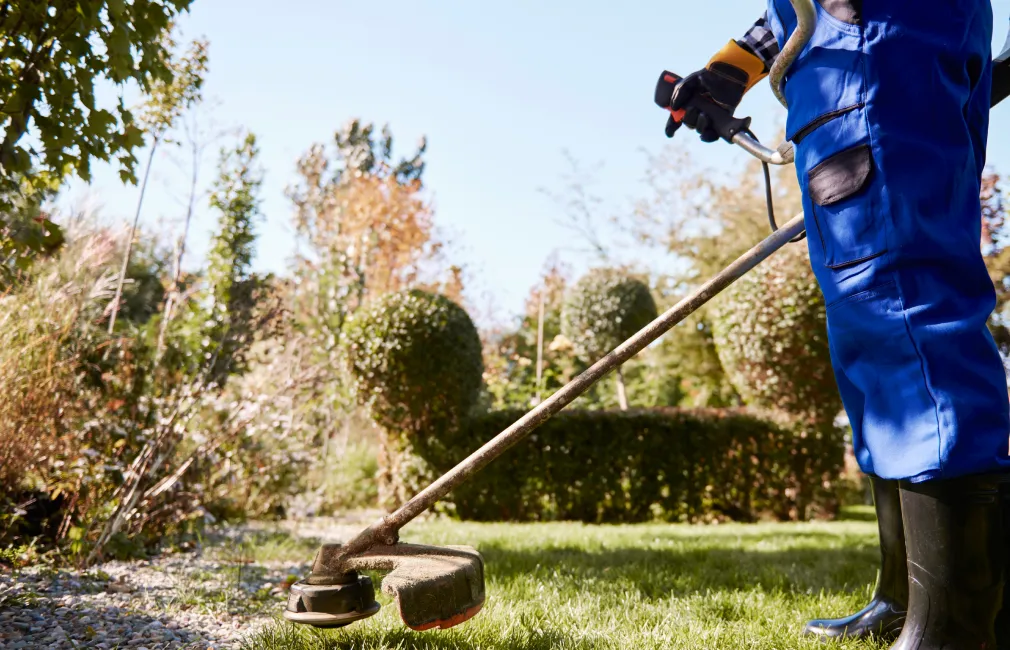
Edging and Trimming
-
Reel Mower Service
-
Commercial Property Mowing
-
Seasonal Lawn Maintenance
Our Lawn Mowing Process
Site Evaluation
Lawn Preparation
Mowing Execution
Edging and Trimming
Cleanup
Why Choose Tempe Landscape Services
-
Tempe Homeowners Trust Us
-
Expert Lawn Maintenance
-
Reliable Irrigation Solutions
-
Competitive Pricing
-
Professional Team
-
Satisfaction Guarantee
-
Personalized Service
Coordinating Lawn Mowing Services with Tempe's Municipal Departments and Programs
Lawn mowing in Tempe generates green waste that must be managed in accordance with the city's solid waste collection framework. The Tempe Public Works Department oversees curbside green waste pickup, and residents should verify current bundling requirements, container specifications, and scheduled collection days directly with the department before placing grass clippings or turf debris at the curb. Grass clippings left on impervious surfaces such as sidewalks, driveways, and streets can wash into storm drains during irrigation cycles or monsoon events, contributing to nutrient loading in downstream waterways. Property managers maintaining multiple parcels should coordinate bulk green waste disposal through the city's established procedures rather than depositing material in washes or retention basins.
- Bag or contain grass clippings before placing them curbside; loose clippings on pavement can migrate into storm inlets
- Confirm current green waste collection schedules and accepted materials with Public Works
- Avoid blowing or sweeping clippings into streets, gutters, or drainage channels
- Commercial mowing operators should verify whether separate hauling or disposal arrangements apply
Tempe Public Works Department
Official Website: Tempe Public Works Department
Properties adjacent to public rights-of-way or city-maintained parkways should also be aware that the Tempe Parks Division - Tempe Trees Program manages the municipal urban forestry canopy, and mowing operations near public trees must avoid damaging trunks, root flares, or irrigation infrastructure.
How Tempe's Low-Desert Heat and Alkaline Soils Affect Lawn Mowing
Tempe sits in the Phoenix metro low-desert region within USDA Hardiness Zone 10a, where summer air temperatures routinely exceed 110°F and surface temperatures on exposed turf can climb even higher. These conditions create specific challenges for lawn mowing that differ substantially from temperate-climate turf management. The predominant soils in the Tempe area tend toward alkaline sandy loams and clay loams, often underlain by caliche hardpan at variable depths. Compacted subdivision fill is common in newer developments, reducing water infiltration and increasing surface runoff after irrigation or rainfall.
- Reflected heat: Concrete block walls, patios, and asphalt driveways radiate heat onto adjacent turf edges, intensifying stress on mowed grass and accelerating moisture loss
- Irrigation dependence: Tempe lawns rely entirely on supplemental irrigation; mowing schedules must account for watering cycles to avoid cutting wet turf or mowing during peak evapotranspiration hours
- Monsoon runoff: During the July–September monsoon season, intense rainfall can mobilize clippings and sediment from freshly mowed areas into retention basins and flood-control channels
- Salt accumulation: Irrigation water in the Salt River Valley carries dissolved minerals that concentrate in the soil surface over time, affecting turf density and mowing uniformity
The University of Arizona Cooperative Extension provides region-specific guidance on turf species performance and maintenance under these low-desert conditions. The Arizona Department of Water Resources also offers landscaping conservation resources relevant to irrigation-dependent turf in the Phoenix metro area.
Tempe's Property Maintenance Codes and Stormwater Regulations for Lawn Mowing
Tempe enforces property maintenance standards through its Code Compliance Division, which addresses overgrown vegetation, neglected yards, and conditions that may constitute neighborhood nuisances. Residents and property owners who allow turf to grow excessively or who fail to maintain front-yard landscaping may be subject to code violation notices. Specific height thresholds and enforcement timelines should be confirmed directly with the Code Compliance Division rather than assumed from general municipal code summaries.
- Overgrown or unmaintained lawns may trigger a code compliance investigation following a neighbor complaint or routine inspection
- Grass clippings, fertilizer granules, and sediment must not be discharged into the municipal storm sewer system, consistent with Arizona DEQ Phase II MS4 requirements and the Clean Water Act
- Mowing operators applying any herbicide or pest-control product in conjunction with mowing services must hold appropriate credentials through the Arizona Department of Agriculture
- Noise from mowing equipment is subject to Tempe's municipal noise ordinance; verify current permitted hours before scheduling early-morning or late-evening mowing
Tempe Code Compliance Division
Official Website: Tempe Code Compliance Division
Tempe Public Works - Water Pretreatment and Pollution Prevention
Official Website: Tempe Public Works - Water Pretreatment and Pollution Prevention
Timing and Mowing Height Standards for Tempe's Bermudagrass and Overseeded Turf
The dominant warm-season turf in Tempe is bermudagrass, which enters active growth from late March through October and goes dormant during winter months. Many residential and commercial properties overseed with perennial ryegrass in October to maintain green color through the cooler season. Each turf type requires distinct mowing heights and frequencies, and the Turfgrass Maintenance Guide for Low Elevation Arizona published by the University of Arizona provides detailed species-specific recommendations.
- Bermudagrass (common): Maintain at approximately 1.5 to 2.5 inches during active summer growth; mow frequently enough to avoid removing more than one-third of the blade height per session
- Hybrid bermudagrass: Often maintained at lower heights of 0.5 to 1.5 inches, requiring more frequent mowing during peak growth periods in June through August
- Overseeded ryegrass: Maintain at approximately 1.5 to 2.5 inches during the winter growing season; transition mowing practices as ryegrass declines in late April and bermudagrass resumes dominance
- Clipping management: Returning clippings to the turf surface (grasscycling) reduces green waste volume and returns nitrogen to the soil, but excessive clipping accumulation should be collected to prevent thatch buildup and drainage obstruction
- Irrigation coordination: Mow after turf has dried from the most recent irrigation cycle; cutting wet bermudagrass leads to uneven cuts, clumping, and increased disease susceptibility
- Heat-stress timing: Schedule mowing during early morning hours when turf is under less thermal stress, avoiding midday cuts when blade temperatures are highest and recovery capacity is reduced
What Neighborhoods Do We Serve Throughout Tempe, AZ?
- Maple-Ash: This historic neighborhood near downtown features mature irrigated lots with established bermudagrass lawns, older irrigation systems, and dense shade from large deciduous trees that affect mowing patterns and turf density
- Optimist Park: Residential properties in this area commonly maintain traditional front-yard turf with standard lot sizes, requiring consistent weekly mowing schedules during the active bermudagrass growing season
- Camelback Village: Homes in this neighborhood often feature compact lots with turf areas bordered by block walls and concrete patios, creating reflected heat zones that intensify turf stress between mowing cycles
- Alameda Estates: Larger lot sizes in this established area support expansive lawn areas with mature landscaping, where mowing logistics include navigating around tree canopies and raised planting beds
- The Lakes: This community surrounds a series of man-made lakes with HOA-maintained common areas, and individual properties often feature irrigated turf that requires careful clipping management to prevent debris from entering adjacent waterways
- South Tempe (Warner Ranch area): Newer subdivision development in south Tempe often involves compacted fill soils and smaller turf panels adjacent to hardscape, requiring attention to mowing height and edge maintenance along concrete surfaces